Contraception Conversations: Have We Really Talked Enough?
Contraception is the use of medicines, devices, or methods to stop a woman from becoming pregnant.
I agree, this talk is such a well-trodden topic but still essential to revisit.shall we?
The history of contraception is truly fascinating to read about, as it never fails to spark debate. I still remember in grade 12 when we had to debate on this very topic. The entire class, together with the teacher, stood on one side, while I found myself alone on the other yet I stood my ground firmly, presenting my arguments with conviction.No doubt, my love for this job is deeply rooted and goes way back.
I believe it’s an important approach to life: whenever you use something, take a moment to ask yourself ,what is its history, how is it made, what is the motive behind it, and what are the implications of using it? Don’t just go with the flow.
In the ancient world, contraception consisted of pragmatic but largely unscientific attempts at fertility control, relying on herbs, pessaries, and behavioral methods. During the Middle Ages and Early Modern times , these practices faced strong religious opposition, particularly from Churches , which condemned birth control and abortion as immoral. By the 19th century, however, contraception emerged as a subject of political and feminist debate, with growing discussions about population control and women’s rights. In the 20th century, it developed into a global movement closely tied to women’s emancipation, scientific advances, and public health initiatives.
Today, contraception is widely recognized as essential to reproductive autonomy, although it continues to face contestation in religious, cultural, and political contexts.
The reality is that countless efforts and debates have revolved around this issue. Encouraging people to abstain and to engage in sex only for procreation which means they needed to subscribe to the notion of ‘voluntary motherhood’ . This represented a limiting and often demeaning stance toward women and their autonomy.
God created us with the ability to understand our bodies and to recognize when it may be the right time to avoid sexual engagement. Modern medicine has deepened this understanding, especially through the study of the menstrual cycle, which has transformed the way we approach contraception. Today, menstrual cycle apps have taken this even further, helping women track their cycles more accurately. In essence, the cycle reveals a rhythm: menstruation days, safe days, ovulation, and then a return to safe days again.
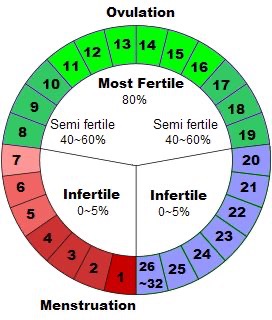
The contraception science was created to counteract this menstruation process.
Imagine living your entire married life without ever using contraceptives yet feeling completely confident in your choices. Some women have shared that by truly understanding their bodies and paying attention to their natural cycles, they’ve been able to do just that. This is quite remarkable.
So many of us don’t truly know our bodies. I, for one, struggle with it, perhaps I only notice the mood swings before my period, but the rest of the time, I feel disconnected. Irregular cycles make prediction even harder. Factors like nutrition, fitness, stress, busy minds, work, academics, and social habits all play a role in this disconnect. It’s a reminder that understanding our bodies is a journey, not a given.
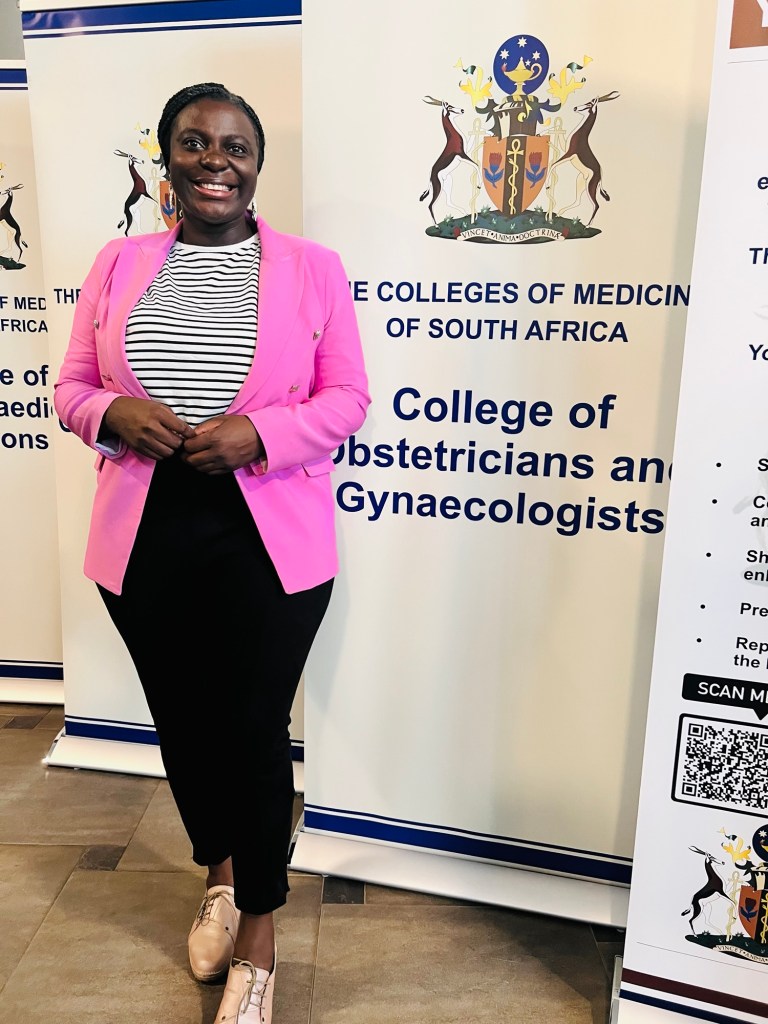
Contraception is incredibly important, and as your virtual gynecologist, I strongly advocate for it. Many of us are disconnected from our bodies, and using contraception allows us to plan for healthy spacing between children and have a manageable family size. It also gives the freedom to enjoy a fulfilling sex life without the constant worry of unintended pregnancy. This is not just a health choice, it’s empowerment, peace of mind, and responsible family planning all in one.
When discussing contraception, there are a few essential questions every woman should consider and as an EPIFEM Queen going to your family planning doctor , I want you to ask this with confidence and insight.
1.What is the mechanism of action?
This means understanding how the contraceptive works in relation to the menstrual cycle whether it prevents ovulation, thickens cervical mucus, or changes the uterine lining to reduce the chance of pregnancy.
2.What is its efficacy?
Efficacy refers to how well the birth control method can prevent pregnancy when used perfectly. Some methods are more effective than others, and knowing this helps you make an informed choice.
3.What are the side effects?
Every contraceptive method can have potential side effects, ranging from minor to more significant. Being aware of these helps you balance effectiveness with comfort and health.
So it is ideal to choose one that has the highest efficacy and less side effects.
To our EPIFEM Queen who is getting married ,firstly, congratulations on this exciting new chapter! As you step into this journey, we hope to provide you with the best guidance on contraception to help you make informed and empowering choices.
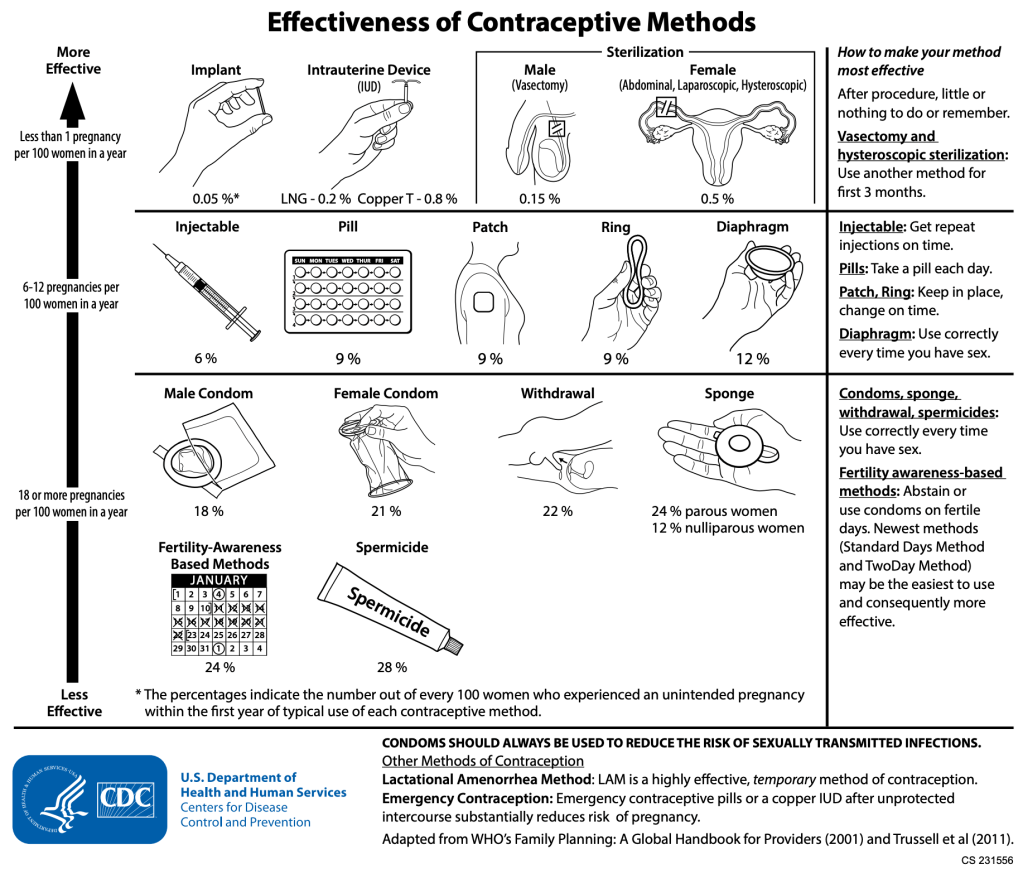
I want to leave you with this picture in mind. Due to the trends rising on IUDs. I will tackle it using the questions I suggested you ask your family planning physician.
So many misinformation on other methods, however I will tackle as a need arises or by addressing certain myths.
Also remember, people react differently to different things, don’t close up one idea just because someone had a bad experience.
Thank you for reading until this point . Take this talk to your circle. Why do think with so many information on this, women are still having unplanned pregnancies and especially teenagers? When do you think is the right age to start talks of contraception with your children ? Why do you think some parents are still against such talks?
See you on the next blog
Stay empowered . Be informed and be unstoppable.
Love
Your virtual OBGYN
Discover more from EPIFEM HEALTH
Subscribe to get the latest posts sent to your email.
 EPIFEM HEALTH