Welcome back to another blog on contraception.
Did you know that about 33% of women visiting gynaecologists do so solely for contraception-related needs?
That’s quite a significant number! It shows just how central contraception is to women’s health conversations. With so many women seeking guidance, I believe it’s only right that each one walks into that consultation well-informed, confident, and ready to make the best choice for her body.
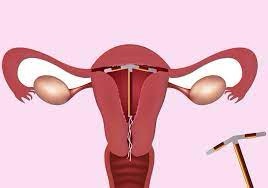
IUD – Intrauterine Device – Loop
I insert IUDs almost every day , if not every week for women visiting our clinic for contraceptive needs, as well as for patients post-delivery or during a caesarean section. I can confidently say that IUDs are becoming far more popular now than they were six years ago when I started my internship.
From an OBGYN perspective, we encourage IUDs mainly because of their long-acting mechanism. We live in a busy, often distracted generation between work, events, and family life, remembering to take a daily pill or showing up for your next injection isn’t always realistic.
That’s where the IUD truly shines.
Once it’s inserted and confirmed to be in place, you don’t have to worry about contraception for 5–10 years (only follow-ups are needed to check if it’s in place) unless, of course, you decide it’s time to conceive.
Another major reason we recommend it is because of its high efficacy and low side-effect profile. For many women, it’s a safe, reliable, and worry-free option that blends seamlessly into their lifestyle.
Let’s answer the question based on the question we said we ask when relating to contraception as per last week’s blog.
- Mechanism of action
There are two main types of IUDs hormonal and non-hormonal and understanding the difference can help you choose what best suits your body and lifestyle.
Hormonal- mirena/kyleena – it contains a type of progesterone that acts locally- causing cervical mucus thickening and thinning of the uterine lining which prevents sperm progression and preventing the likelihood of implantation. Works for 5-8 years.
Non hormonal- copper – the copper is toxic to sperm. stopping them from fertilising egg. Also makes the uterine lining unpleasant for implantation.
2. What is the efficacy?
99% meaning you only have 1% chance of falling pregnant when using this.
3. Side effects are minimal however still experienced.
pain/discomfort only during the first few weeks
No menstruation if using hormonal or heavy menstruation if using copper.
An episode of vaginal discharge
There are also complication relating to this however not common but it’s good to be aware of them, let your OBGYN explain to you before insertion.
Good luck to everyone who will join the IUD groupies..
Take this to your office break talks or lunch talks. Let’s make women health talks fashionable.

Discover more from EPIFEM HEALTH
Subscribe to get the latest posts sent to your email.
 EPIFEM HEALTH